
- A detailed exploration of one of modern food packaging's most versatile solutions
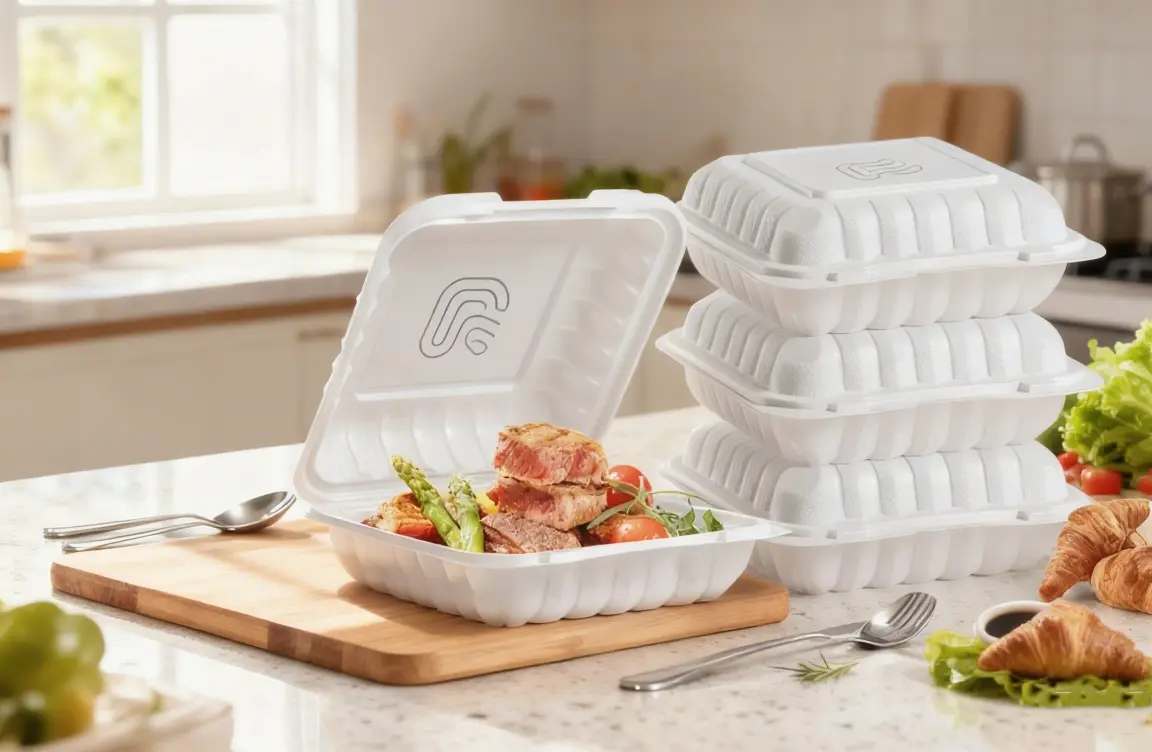
In the realm of food packaging, the hinged food container stands out as a versatile and practical solution for storing, transporting, and serving meals. These containers, often featuring a lid connected by a hinge, provide a secure seal that helps maintain food freshness.
From takeout restaurants to home meal prep, the hinged food container has become an essential item in modern kitchens. Its design allows for easy opening and closing, making it ideal for on-the-go consumption.
The popularity of the hinged food container can be traced to its ability to combine functionality with convenience. Whether made from plastic, foam, or eco-friendly materials, these containers cater to a wide array of needs.
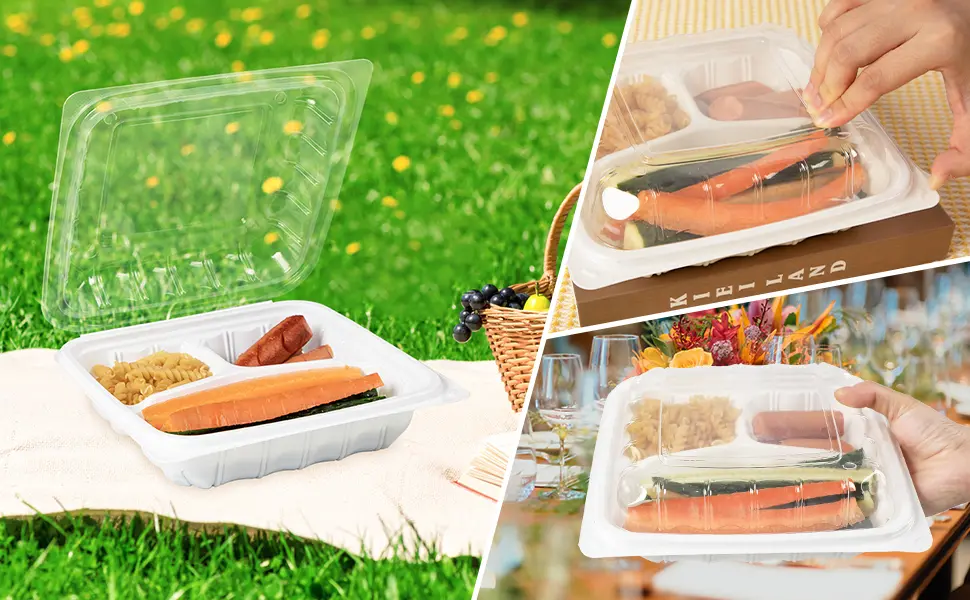
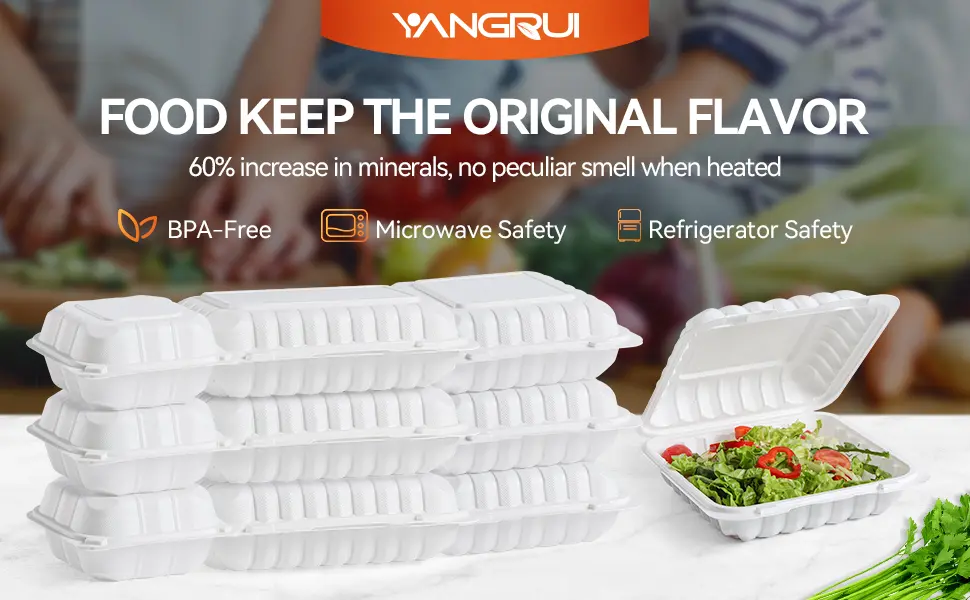
The hinged food container didn't appear overnight; its origins date back to the mid-20th century, when disposable packaging gained traction. Initially, simple cardboard boxes were used for food delivery, but the need for better containment led to innovations.
By the 1960s, plastic molding techniques enabled the creation of the first hinged food container prototypes, primarily for fast-food chains. As consumer demands evolved, so did the hinged food container.
In the 1970s, polystyrene foam became a staple material due to its insulating properties. This era saw the hinged food container revolutionize takeout, with companies like McDonald's adopting them for burgers and fries.
The 1990s brought environmental concerns, prompting shifts toward recyclable options. Today, the hinged food container incorporates advanced features like microwave-safe designs and compostable bioplastics, reflecting decades of refinement.
1954: Patenting of hinged mechanisms with a focus on tamper-evident seals
1960s: First plastic-hinged container prototypes developed for the fast-food industry
1970s: Polystyrene foam containers gain popularity for their insulation properties
1990s: Environmental concerns led to the development of recyclable options
2010s-Present: Rise of compostable materials and advanced safety features
The choice of material is crucial for any hinged food container, influencing durability, safety, and environmental impact. Common materials include polypropylene (PP), polyethylene terephthalate (PET), and expanded polystyrene (EPS).
| Material Type | Properties | Common Uses | Pros | Cons |
| Polypropylene (PP) | Heat-resistant up to 250°F, flexible, durable | Hot meals, microwavable hinged food containers | Reusable, recyclable | Can warp under extreme heat |
| Polyethylene Terephthalate (PET) | Transparent, lightweight, shatter-resistant | Cold salads, fruits in hinged food containers | Crystal clear visibility | Not suitable for hot foods |
| Expanded Polystyrene (EPS) | Insulating, lightweight, cost-effective | Takeout foam-hinged food containers | Keeps food warm | Non-biodegradable, environmental concerns |
| Polylactic Acid (PLA) | Biodegradable, plant-based | Eco-friendly hinged food containers for disposables | Compostable | Brittle at low temperatures |
| Sugarcane Bagasse | Natural fiber, compostable | Sustainable hinged food containers | Eco-friendly, sturdy | Higher cost than plastics |
Polypropylene and PET remain popular choices for their durability and cost-effectiveness. These materials offer good performance for most common food storage needs while maintaining reasonable recyclability.
Biodegradable options like PLA and sugarcane bagasse are gaining ground as environmental concerns grow. These materials decompose faster than traditional plastics, though they often come with higher production costs.
Design is where the hinged food container truly shines. The hinge itself, often a living hinge molded from the same material, allows seamless flipping without detachment. Features like snap-lock closures ensure airtight seals, preventing leaks during transport.
Snap-lock closures ensure airtight seals, preventing leaks and maintaining freshness during transport.
Separate sections keep different food items from mixing, reducing sogginess, and preserving flavors.
Clear lids with anti-fog properties allow customers to see contents without opening the container.
Special tabs and seals provide visual confirmation that containers haven't been opened before purchase.
Contoured shapes allow stable stacking, optimizing storage space in kitchens and delivery bags.
Vent holes release steam from hot foods, while insulated designs maintain temperature for longer periods.
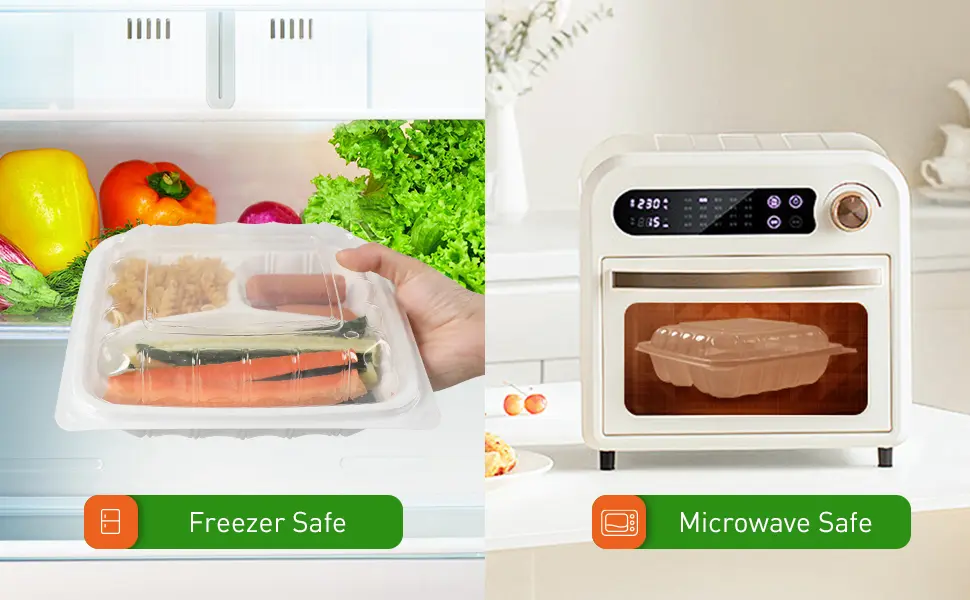
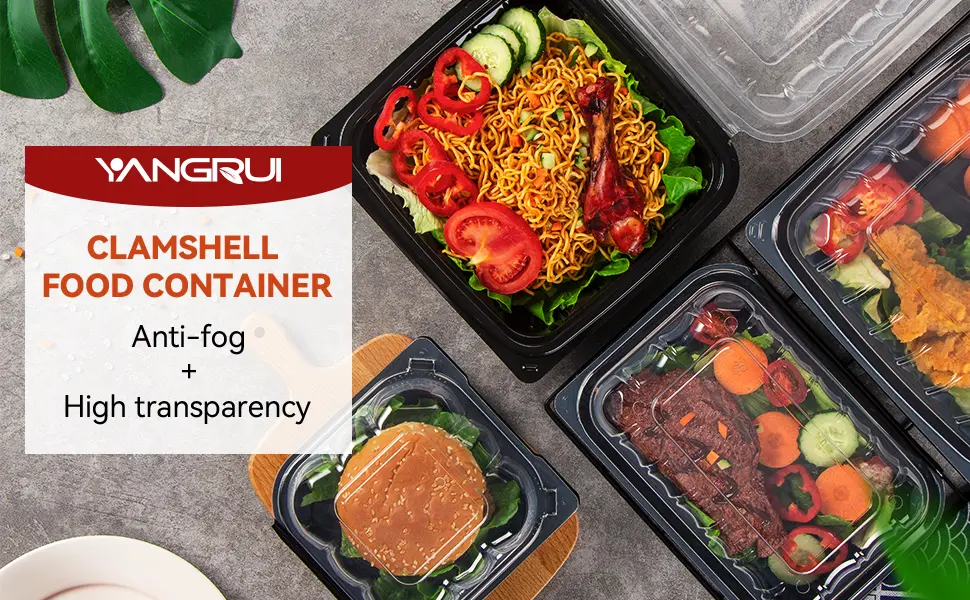
Manufacturing a hinged food container involves precision engineering. It starts with material selection, followed by thermoforming or injection molding. In thermoforming, plastic sheets are heated and vacuum-formed into shapes, creating the base and hinged lid in one piece.
| Step | Description | Equipment Used | Time Estimate | Quality Check |
| 1. Material Preparation | Melting or heating raw pellets/sheets | Extruders, heaters | 5-10 minutes | Purity testing |
| 2. Molding | Forming the hinged structure | Injection/thermoforming machines | 30-60 seconds per unit | Dimensional accuracy |
| 3. Cooling & Trimming | Solidifying and edge finishing | Cooling chambers, cutters | 1-2 minutes | Visual inspection for defects |
| 4. Assembly & Sealing | Adding hinges if separate, testing seals | Automated lines | 10-20 seconds | Leak-proof testing |
| 5. Packaging | Boxing for distribution | Packing robots | Batch process | Compliance labeling |
Modern manufacturing facilities are increasingly adopting sustainable practices for hinged food containers:
Incorporating recycled content to reduce virgin plastic use
Using renewable energy sources in production facilities
Implementing water recycling systems to minimize waste
Optimizing production processes to reduce energy consumption
The hinged food container finds applications across industries. In food service, it's ubiquitous for takeout, preserving flavors in hinged food containers during delivery. Hospitals use sterile versions for patient meals, while schools employ them for lunches.
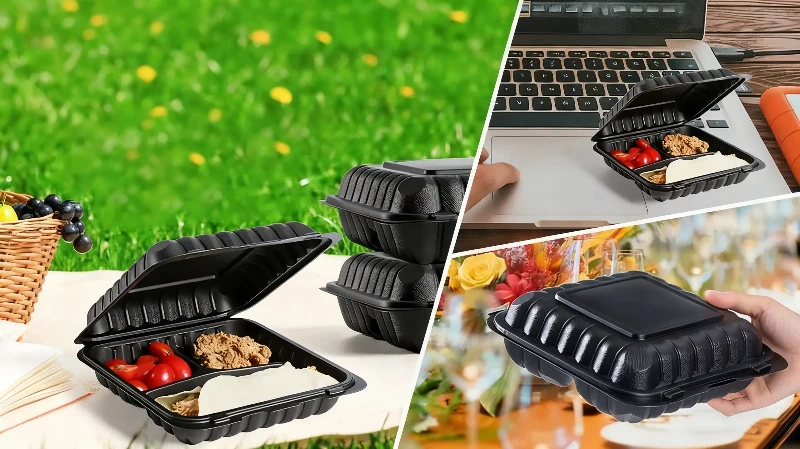
Restaurant takeout and delivery
Fast food packaging
Cafeteria and buffet services
Catering events
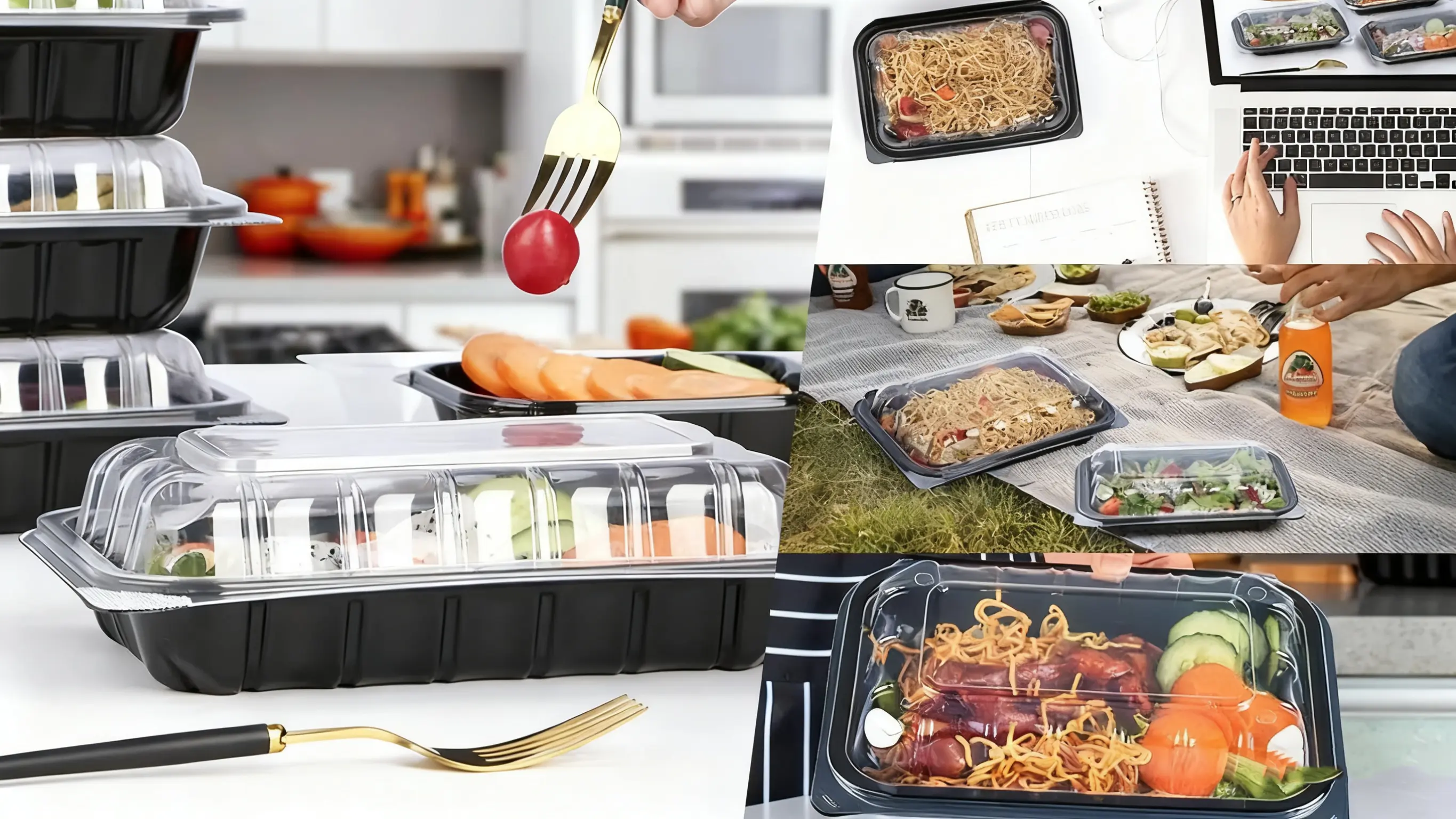
Meal prepping and portion control
Leftover storage
Packing lunches for school or work
Storing snacks and ingredients
Healthcare
Sterile containers for patient meals and dietary requirements
Aviation
Lightweight containers for in-flight meal service
Retail
Display and packaging for prepared foods in grocery stores
Transportation
Insulated containers for long-distance food delivery
Events
Disposable containers for festivals, concerts, and gatherings
Industrial
Non-food uses, like small parts storage and organization
|
Advantages |
Disadvantages |
|
Convenient one-piece design eliminates lid loss |
Single-use plastics contribute to environmental concerns |
|
Secure sealing maintains food freshness longer |
Some materials may leach chemicals into food |
|
Cost-effective for both businesses and consumers |
Hinges can wear out with repeated use |
|
Available in various sizes and configurations |
Eco-friendly options are often more expensive |
|
Many options are recyclable or compostable |
Not all types are suitable for all temperatures |
|
Some varieties are microwave and freezer-safe |
Recycling infrastructure varies by region |
|
Reduces food waste through better preservation |
Overpackaging concerns in some commercial applications |
Sustainability is pivotal for the hinged food container industry. Traditional plastics persist in environments, but recyclable hinged food containers mitigate this. Compostable options break down in 90-180 days under proper conditions.
Recycling rates for hinged food containers hover at 30% globally, per EPA data. Contamination from food residue is a major barrier to effective recycling.
Many recycling facilities struggle with the complex hinge designs and mixed materials, leading to lower recycling efficiency.
Manufacturers are developing containers made from ocean-bound plastic and agricultural waste. These innovations help reduce pollution while creating functional products.
Life-cycle assessments show bio-based hinged food containers have lower carbon footprints compared to traditional plastic options.
Choose recyclable or compostable options
Reuse containers when possible
Dispose of properly according to local guidelines
Bring your own containers for takeout when possible
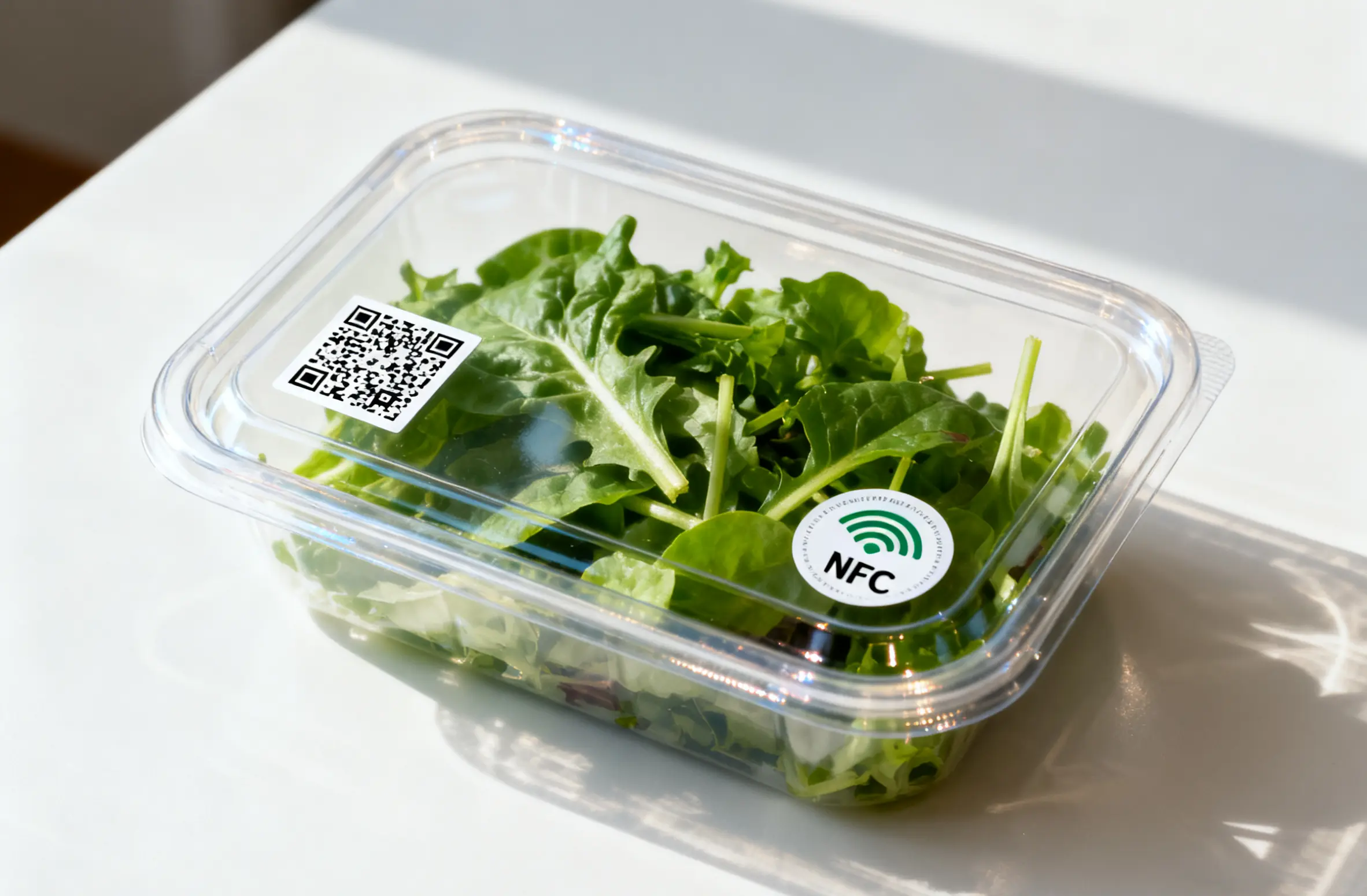
QR codes and NFC tags will enable consumers to check food freshness, origin, and safety information with a smartphone scan.
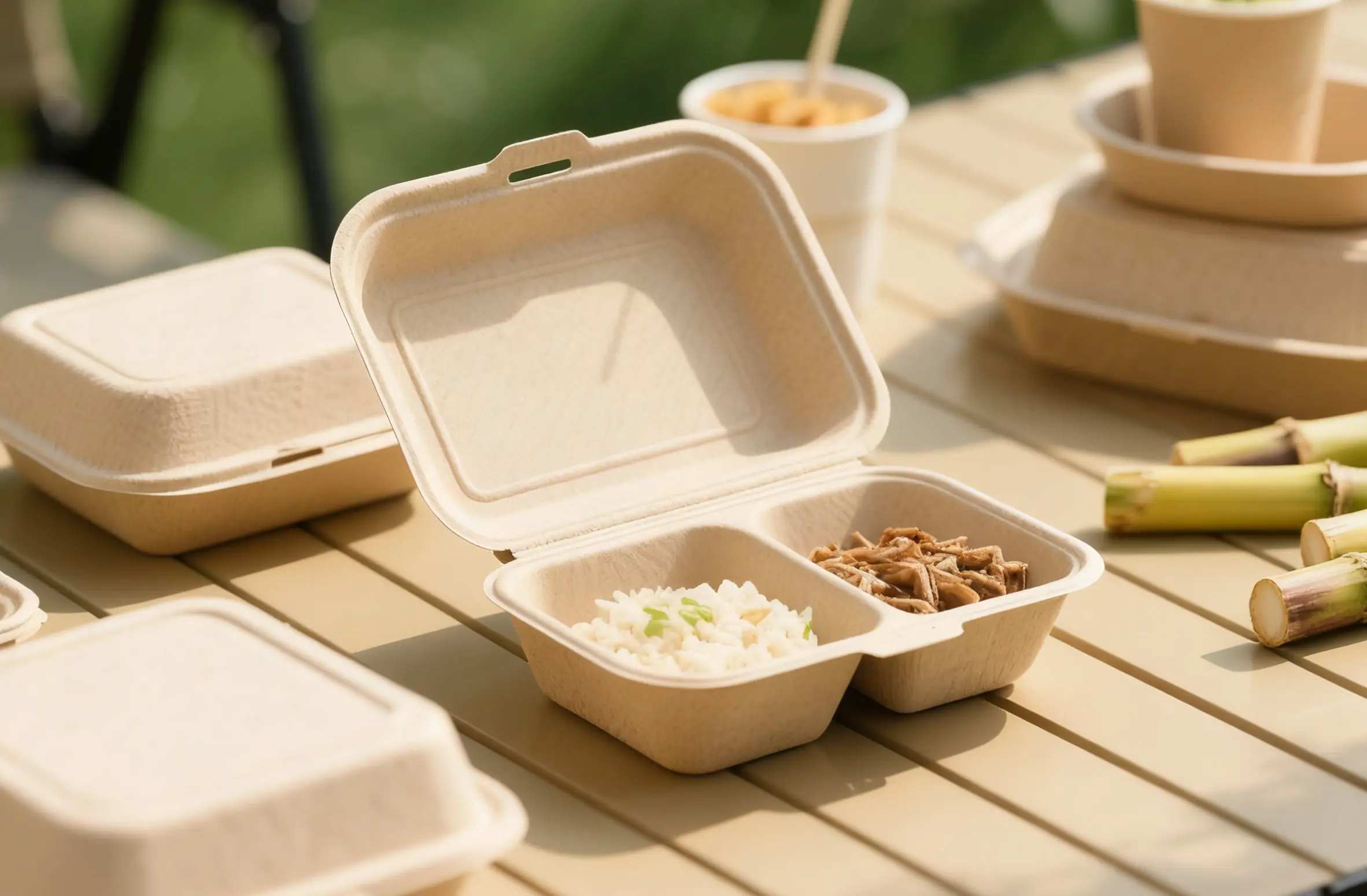
Next-generation plant-based materials will offer better performance characteristics while maintaining compostability.
3D printing technology will enable the on-demand production of custom-shaped containers for specific food items.
Changing regulations around the world are driving innovation in the hinged food container industry:
EU plastic bans and restrictions on single-use plastics
Increased focus on extended producer responsibility (EPR) laws
Standardization of compostability claims and certifications
Requirements for clearer recycling instructions and labeling


