
In the bustling world of modern food packaging, the disposable plastic food tray stands as a ubiquitous yet often overlooked hero. These lightweight containers, designed for single-use convenience, play a pivotal role in preserving freshness and ensuring safe transportation of meals from farm to table.
Whether in supermarkets, takeout services, or institutional cafeterias, the plastic food tray facilitates efficiency in an industry where speed and hygiene are paramount. As consumer demands evolve toward sustainability, understanding the intricacies of the plastic food tray becomes essential for stakeholders aiming to balance practicality with environmental responsibility.
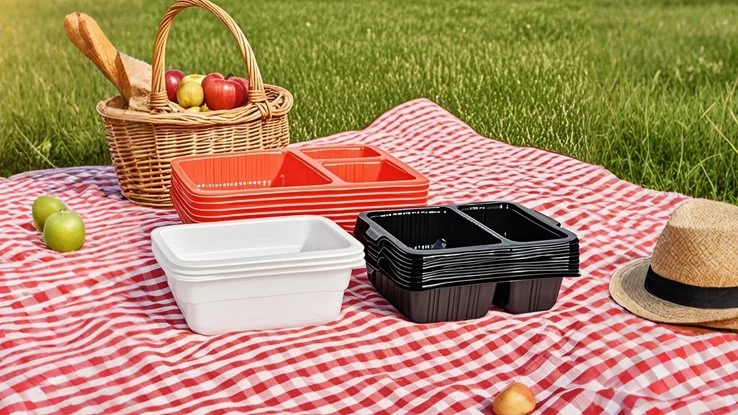
The origins of the plastic food tray trace back to the post-World War II era, when advancements in polymer chemistry birthed materials like polystyrene and polyethylene. Initially, food packaging relied on glass, metal, and paper, but the 1950s saw the introduction of expandable polystyrene (EPS) for insulated trays, ideal for meat and produce.
This shift was driven by the need for cost-effective, lightweight alternatives amid booming consumerism. The plastic food tray quickly became synonymous with convenience stores and fast-food chains, evolving from simple foam designs to sophisticated, multi-compartment structures.
Producing a plastic food tray involves a meticulous, multi-step process that ensures durability and compliance with food-grade standards. It begins with raw material selection, where pellets of polymers like PP (polypropylene) are melted in extruders at temperatures around 200-250°C.
This molten plastic is then sheet-extruded into thin films or directly injected into molds for rigid trays. Thermoforming is a common method for the plastic food tray: the extruded sheet is heated until pliable, then vacuum-formed over molds to create shapes.
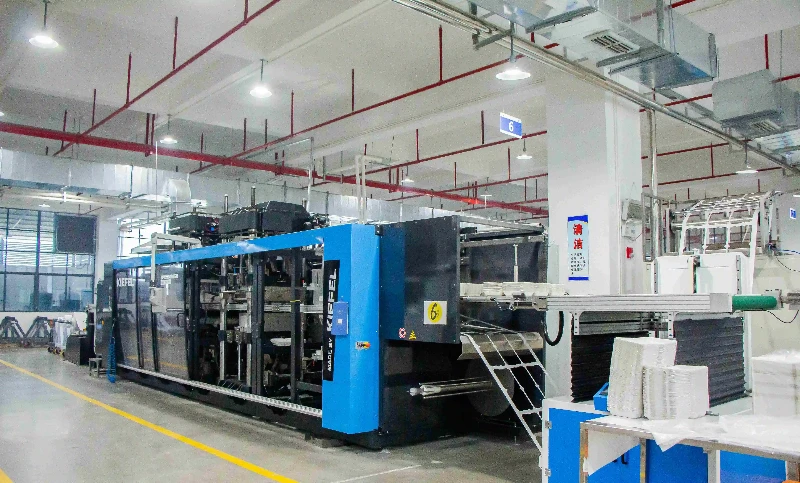
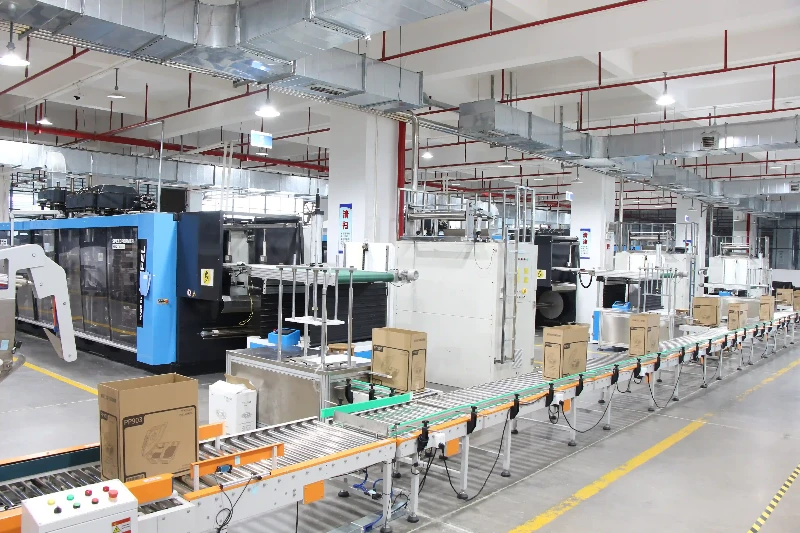
Cooling solidifies the structure, followed by trimming excess material. For foam-based trays, like those from EPS, a pre-expansion phase uses steam to puff beads, which are then molded under pressure. Quality control integrates inline inspections for defects, ensuring the plastic food tray meets FDA guidelines for leachables.
Advanced techniques, such as in-mold labeling, add branding directly during formation, enhancing aesthetics without secondary processes. The entire cycle, from pellet to packaged tray, can take minutes in high-volume facilities, with automation reducing labor costs.
The choice of material profoundly influences the performance of a plastic food tray. Common types include:
Often used for foam trays, offering excellent insulation but limited recyclability.
Clear and rigid, ideal for transparent trays in ready meals.
Heat-resistant, suitable for microwaveable plastic food trays.
Lightweight foam for seafood and meat, providing cushioning.
| Material | Density (g/cm³) | Heat Resistance (°C) | Recyclability | Common Use in Plastic Food Tray |
| PS | 1.05 | Up to 80 | Low | Foam trays for meat |
| PET | 1.38 | Up to 70 | High | Clear trays for salads |
| PP | 0.90 | Up to 120 | Medium | Microwave-safe meal trays |
| EPS | 0.015-0.03 | Up to 90 | Low | Insulated seafood trays |
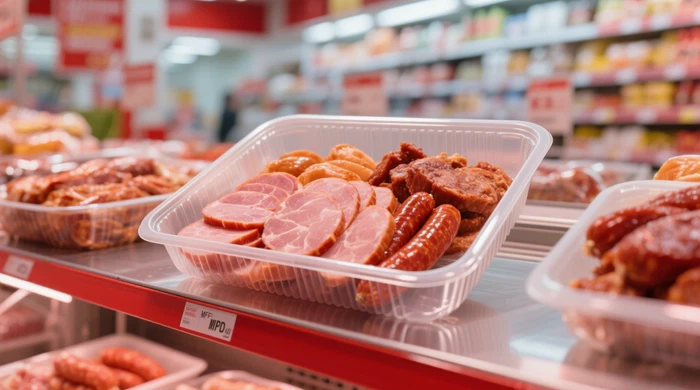
The plastic food tray finds diverse applications across sectors. In retail, it packages fresh produce, preventing bruising during transit. Supermarkets rely on the plastic food tray for pre-portioned meats, reducing handling and contamination risks.
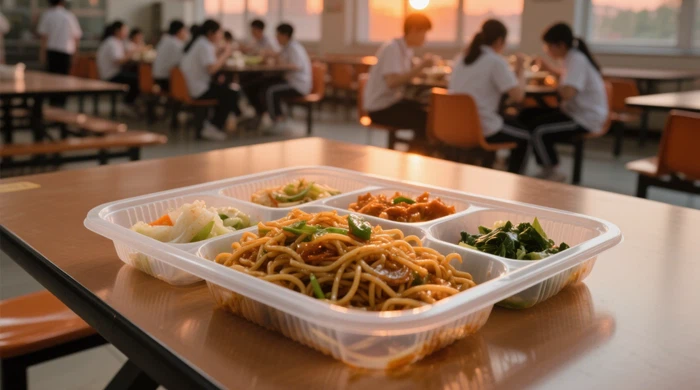
In foodservice, airlines and hospitals use compartmentalized versions for efficient meal distribution, where hygiene is critical. The takeout and delivery boom has elevated the plastic food tray's role, with leak-proof designs maintaining integrity over distances.
Packaging fresh produce, meats, and pre-portioned foods
Takeout containers, delivery packaging, and meal prep
Hospitals, schools, and airlines for efficient meal distribution
Cold-chain logistics and perishable food delivery
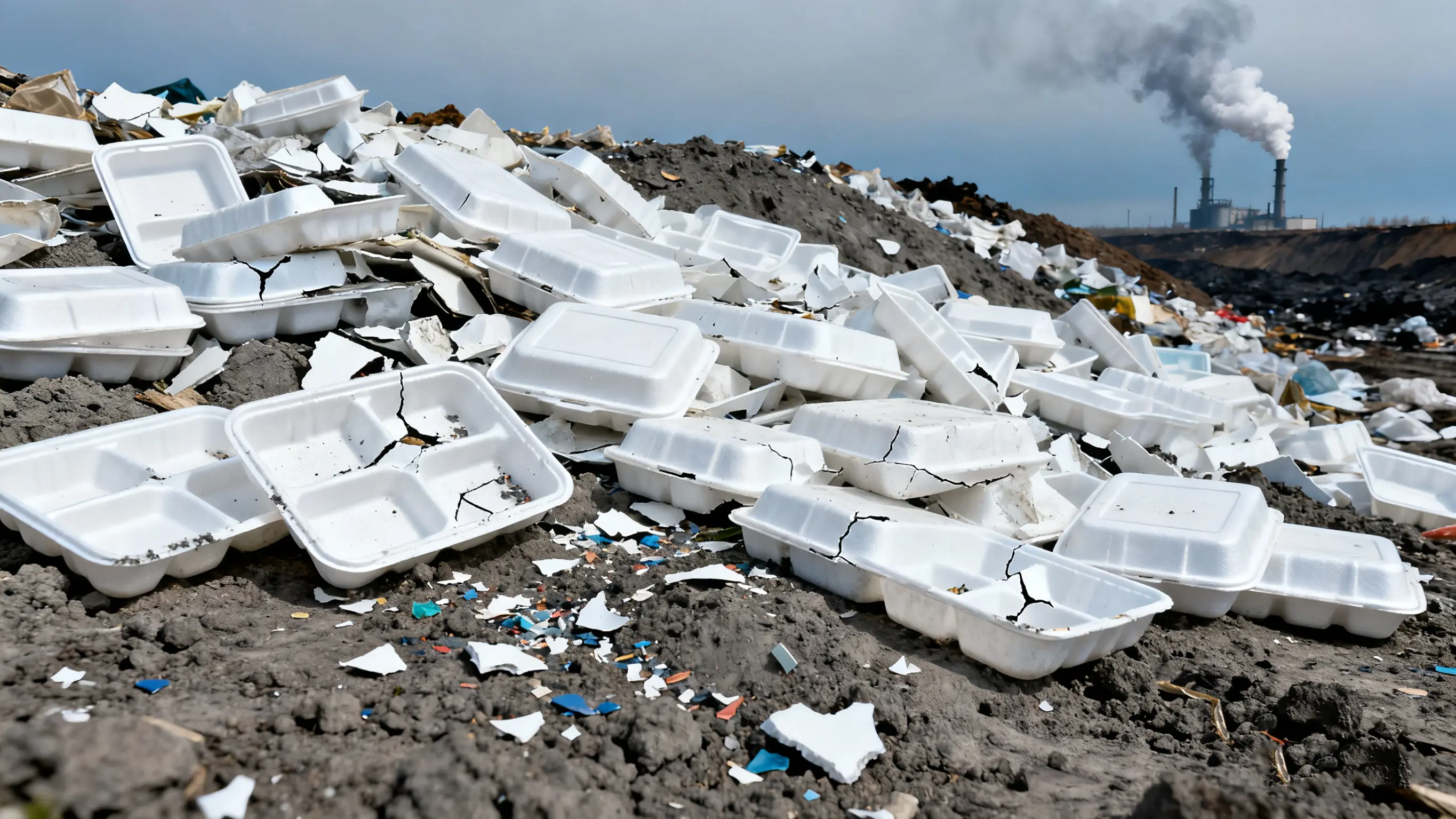
While convenient, the plastic food tray contributes significantly to environmental degradation. Production emits greenhouse gases, with EPS trays alone accounting for notable carbon footprints. Post-consumer, many end up in landfills, taking centuries to degrade and leaching microplastics into soils and waterways.
Ocean pollution from discarded plastic food trays harms marine life, with studies estimating 8 million tons of plastic enter the seas yearly. Life-cycle assessments reveal that a single plastic food tray's impact includes resource extraction (fossil fuels) and waste management burdens.
| Aspect | Plastic Food Tray Impact | Alternative (e.g., Paper) Impact |
| Greenhouse Gas Emissions | High (3-5 kg CO₂ eq/kg) | Medium (1-2 kg CO₂ eq/kg) |
| Water Usage | Low | High |
| End-of-Life Degradation | 100-500 years | 2-6 months |
| Marine Pollution Risk | High | Low |
Global regulations ensure the plastic food tray's safety and sustainability. In the U.S., the FDA's 21 CFR outlines migration limits for additives, mandating tests for leachables. EU's Regulation (EC) No 1935/2004 requires materials not to alter food composition harmfully.
Recent regulatory developments reflect growing environmental concerns:
Despite advantages, the plastic food tray faces hurdles. Contamination from residues hampers recycling, while material inconsistencies lead to weak seals. High temperatures can cause warping in non-PP trays, and black pigments complicate sorting in facilities.
| Problem | Description | Solution (Approx. 100 words) |
| Recycling Inefficiency | Low collection rates (30%) due to mixed polymers. | Enhance sorting with AI technologies and standardize materials like PET for uniformity. Educate consumers on proper disposal via labeling. Implement extended producer responsibility (EPR) programs. |
| Seal Failures | Detected seals leading to spills and contamination. | Use advanced adhesives and heat-sealing at optimized temperatures. Test for leachables to ensure food safety. Adopt tamper-evident designs. |
| Environmental Pollution | Microplastics leaching from degraded trays. | Promote biodegradable alternatives like PLA and enforce strict waste management. Invest in R&D for edible coatings to replace plastics. |
Looking ahead, the plastic food tray is poised for transformation. Bioplastics and nanocomposites promise enhanced biodegradability, with market projections at a 15% CAGR. Smart trays with sensors for freshness monitoring integrate IoT, reducing waste.
Circular models, like deposit-return schemes, gain traction, while regulations favor recycled content (e.g., 25% post-consumer resin mandates). Expert forecasts from sustainability forums predict a hybrid future: traditional plastic food trays coexisting with algae-based or mycelium alternatives.
PLA and other plant-based polymers offer compostable alternatives
Integrated sensors for freshness monitoring and quality assurance
Oxygen scavengers and ethylene absorbers to extend shelf life
Closed-loop systems and increased recycled content in production
"The disposable plastic food tray embodies convenience in food packaging, yet its evolution demands sustainable stewardship. From manufacturing intricacies to environmental imperatives, this guide illuminates pathways forward. By embracing expertise and authoritative practices, the industry can mitigate impacts, ensuring the plastic food tray serves future generations responsibly."

